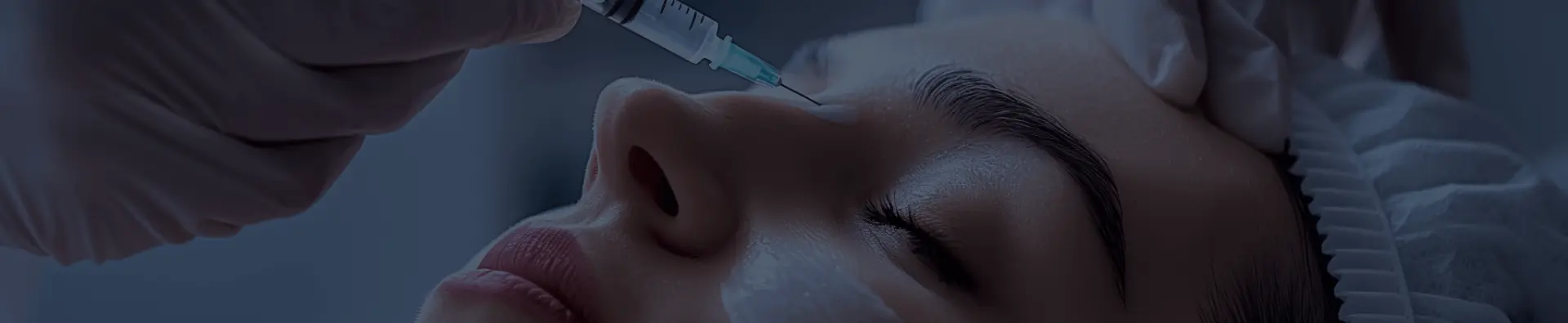
Our AI-powered Botox training program teaches you everything you need to know about botulinum toxin injections. Learn facial anatomy in 3D, practice techniques in virtual simulations, and get instant feedback — all before you ever touch a patient.

Dr. MTAI
Your AI Instructor for Botulinum Toxin
Welcome! I'm excited to guide you through this comprehensive Botulinum Toxin training. My goal is to ensure you understand every concept thoroughly before your hands-on sessions. Let's begin your journey to mastery.
Learn how botulinum toxin works, its mechanism of action, and FDA-approved indications through AI-guided modules.
Navigate facial muscles in immersive 3D. Understand injection sites, danger zones, and optimal placement.
Perform injections in AI simulations. Get real-time feedback on angle, depth, and dosage. Repeat until perfect.
When you're confident, schedule your live session to practice on real patients under MD supervision.
I'm Dr. MTAI, and I've designed these interactive learning tools to help you master the fundamentals of neurotoxin therapy. Take your time exploring each section — understanding anatomy, proper dosing, and safety protocols is essential before your hands-on practice. I'm here to ensure you feel confident and prepared.
Explore our educational resources to deepen your understanding of botulinum toxin therapy
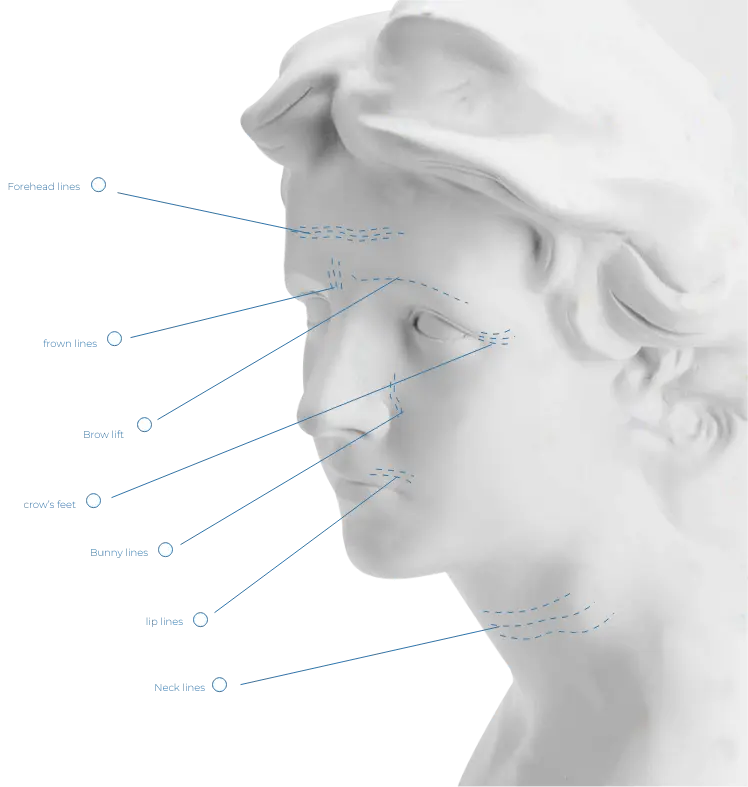
Understanding facial anatomy is the foundation of safe and effective neurotoxin treatment. I recommend studying the origin, insertion, and action of each muscle thoroughly — this knowledge will guide your injection placement and help prevent complications.
Action: Elevates eyebrows, creates horizontal forehead lines
Origin: Galea aponeurotica
Insertion: Skin of eyebrows and root of nose
Injection Depth: Intradermal to superficial subcutaneous
Action: Draws eyebrows medially and downward (frown)
Origin: Medial supraorbital ridge
Insertion: Skin above middle of eyebrow
Injection Depth: Intramuscular, deeper injection
Action: Pulls medial brow down, creates horizontal nasal root lines
Origin: Nasal bone and lateral nasal cartilage
Insertion: Skin between eyebrows
Injection Depth: Superficial, single midline injection
Action: Closes eyelids, creates crow\'s feet
Parts: Orbital, palpebral, lacrimal portions
Origin: Medial orbital margin, medial palpebral ligament
Injection Depth: Intradermal, lateral to orbital rim
Safety Alert
Never inject within 1 cm of the orbital rim. The levator palpebrae superioris lies deep to this area — affecting it causes eyelid ptosis, one of the most distressing complications for patients.
Action: Compresses/dilates nostrils (bunny lines)
Injection: Superficial, along nasal sidewall
Action: Closes lips, creates perioral lines
Injection: Very low doses, vermilion border
Action: Elevates mandible (chewing)
Use: Jaw slimming, bruxism treatment
Injection: Deep intramuscular, lower masseter
Action: Depresses mandible, creates neck bands
Injection: Along visible bands when contracted
Dr. MTAI's Tip
I recommend practicing muscle identification on yourself in the mirror. Contract each muscle group and palpate to understand the relationship between surface landmarks and underlying anatomy.
Proper dosing is both a science and an art. The doses I've compiled here are based on FDA guidelines and clinical best practices. Remember: it's always better to start conservatively — you can add more at follow-up, but you can't take away what's already been injected.
Note: Doses shown are for onabotulinumtoxinA (Botox®). Adjust for other products using conversion ratios.
| Treatment Area | Typical Dose Range | Injection Points | Units per Point | Key Considerations |
|---|---|---|---|---|
| Glabellar Complex (Frown Lines) |
20-40 units | 5 points 2 corrugator (each side) + 1 procerus |
4-8 units |
|
| Forehead Lines (Horizontal) |
10-30 units | 4-8 points Horizontal row(s) |
2-4 units |
|
| Crow\'s Feet (Lateral Canthal Lines) |
12-24 units (per side) |
3-4 points per side | 4-6 units |
|
| Bunny Lines (Nasal Scrunch) |
4-10 units | 2 points (1 per side) |
2-5 units |
|
| Lip Flip | 4-6 units | 2-4 points (upper lip) |
1-2 units |
|
| Gummy Smile (LLSAN) |
2-4 units (per side) |
1-2 points per side | 2 units |
|
| Masseter (Jaw Slimming) |
25-50 units (per side) |
3-4 points per side | 8-12 units |
|
| Platysmal Bands (Nefertiti Lift) |
25-50 units (total) |
4-6 points per band | 2-3 units |
|
| Hyperhidrosis (Axillary) |
50 units (per axilla) |
10-15 points per axilla | 2-4 units |
|
Dr. MTAI's Tip
These are general guidelines. I always individualize dosing based on muscle mass, treatment history, gender, and desired outcome. For new patients, I recommend starting at the lower end of the range — you can always add more at the two-week follow-up.
All four FDA-approved cosmetic neurotoxins contain botulinum toxin type A, but they differ in formulation, onset, spread, and dosing. Understanding these differences will help you choose the right product for each patient and clinical scenario.
| Property | Botox® (OnabotulinumtoxinA) |
Dysport® (AbobotulinumtoxinA) |
Xeomin® (IncobotulinumtoxinA) |
Jeuveau® (PrabotulinumtoxinA) |
|---|---|---|---|---|
| Manufacturer | Allergan (AbbVie) | Galderma | Merz | Evolus |
| FDA Approval (Cosmetic) | 2002 | 2009 | 2011 | 2019 |
| Molecular Weight | ~900 kDa complex | ~500-900 kDa complex | 150 kDa (pure toxin) | ~900 kDa complex |
| Complexing Proteins | Yes | Yes | No (naked toxin) | Yes |
| Unit Conversion Ratio | 1 unit (reference) | 2.5-3:1 (Dysport:Botox) | 1:1 (same as Botox) | 1:1 (same as Botox) |
| Onset of Action | 3-5 days | 2-3 days (faster) | 3-4 days | 2-3 days |
| Peak Effect | 14 days | 14 days | 14 days | 14 days |
| Duration | 3-4 months | 3-4 months | 3-4 months | 3-4 months |
| Diffusion/Spread | Moderate | Greater spread | Similar to Botox | Similar to Botox |
| Storage (Unreconstituted) | 2-8°C (refrigerated) | 2-8°C (refrigerated) | Room temperature | 2-8°C (refrigerated) |
| Immunogenicity | Low (~1%) | Low | Lowest (no complexing proteins) | Low |
Dr. MTAI
AI Medical Instructor
Dr. MTAI
AI Medical Instructor
Setting proper expectations is crucial for patient satisfaction. I always walk patients through this timeline during consultation so they understand when to expect results — and when NOT to panic if they don't see immediate changes.
Dr. MTAI's Tip
I tell my patients who maintain regular treatments every 3-4 months that they often experience longer-lasting results over time. The muscles gradually weaken from reduced use — some patients eventually need less product or fewer treatments.
This is the most critical section of your training. Patient safety must always be your top priority. I require all my students to master contraindications and complication management before performing any hands-on injections. Take your time here — this knowledge protects your patients and your practice.
Safety Alert
Never proceed with treatment if any of these conditions are present. There are no exceptions.
| Complication | Incidence | Cause | Prevention | Management |
|---|---|---|---|---|
| Bruising | 10-25% | Vessel injury |
|
Ice, arnica; resolves 7-14 days |
| Headache | 1-10% | Unknown; injection trauma | Gentle injection technique | OTC analgesics; resolves 24-48 hours |
| Eyelid Ptosis | 1-5% | Toxin migration to levator palpebrae superioris |
|
Apraclonidine 0.5% eye drops 1-2 drops TID (stimulates Müller's muscle; raises lid 1-2mm) Resolves in 2-4 weeks |
| Brow Ptosis | 2-5% | Over-treatment of frontalis without glabellar treatment |
|
Wait for effect to wear off (6-8 weeks); small amount of toxin to lateral brow depressors may help |
| Asymmetry | 2-5% | Uneven dosing, existing asymmetry, variable muscle activity | Careful assessment, pre-treatment photos | Touch-up at 2 weeks with additional units to weaker side |
| "Spock Brow" | 1-3% | Under-treatment of lateral frontalis | Treat lateral forehead adequately | Add 2-4 units to lateral brow area |
| Diplopia | Rare | Migration to extraocular muscles | Proper injection depth, distance from orbit | Supportive care; resolves with toxin wearing off |
Dr. MTAI
AI Medical Instructor
The effects of botulinum toxin may spread from the area of injection to produce symptoms consistent with botulinum toxin effects. These symptoms have been reported hours to weeks after injection. Swallowing and breathing difficulties can be life threatening and there have been reports of death. The risk of symptoms is probably greatest in children treated for spasticity but symptoms can also occur in adults, particularly in those with underlying conditions that would predispose them to these symptoms.
Dr. MTAI's Tip
I keep apraclonidine 0.5% eye drops in my emergency kit at all times. If eyelid ptosis occurs, early treatment can significantly improve patient comfort while waiting for the toxin effect to wear off.
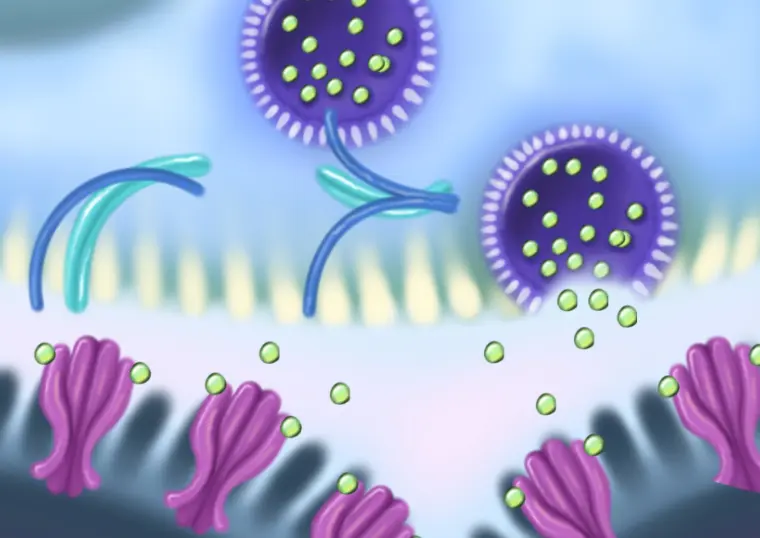
Our AI instructor breaks down the science of botulinum toxin in easy-to-understand modules. You'll learn about its mechanism of action, how it affects muscle contraction, and why proper placement is crucial for safety and effectiveness.
Unlike rushed weekend courses, you can revisit any concept as many times as needed. The AI tracks your understanding and ensures you've mastered each topic before moving forward.
Our intelligent system covers everything you need to become proficient in Botox administration. The AI adapts to your learning pace, providing extra practice where needed and accelerating through material you've already mastered.
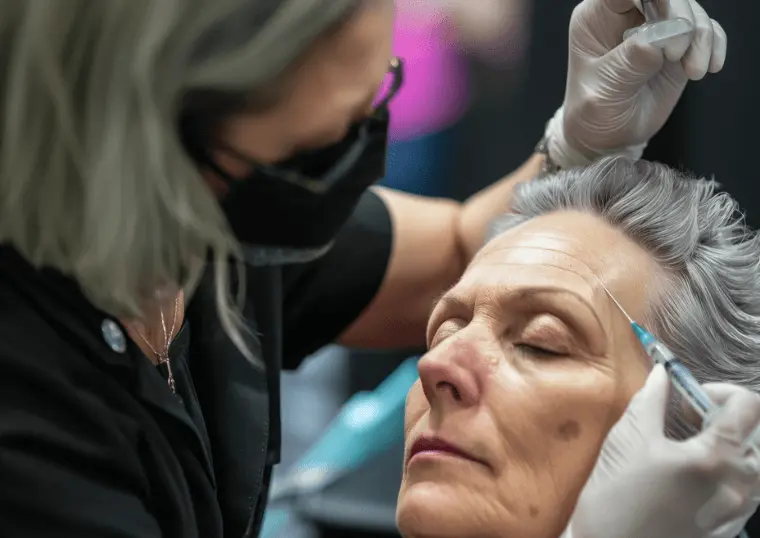



Explore facial anatomy like never before. Our 3D models let you rotate, zoom, and examine every muscle layer. See exactly where injections should be placed and understand the relationship between different facial structures.
The AI highlights danger zones and optimal injection points, helping you visualize proper technique before you ever pick up a syringe.
Our AI simulation engine lets you practice injection techniques in a realistic virtual environment. Get instant feedback on your angle, depth, and dosage for each injection site:
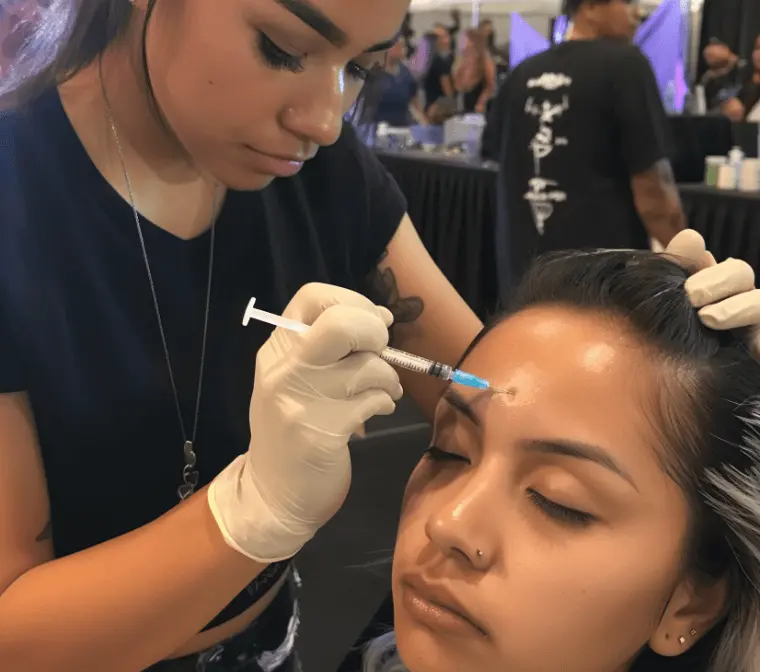
Patient safety is non-negotiable. Our AI won't recommend hands-on training until you've demonstrated complete mastery of safety protocols. You'll practice:
When you've completed the AI training and feel confident, schedule your in-person hands-on session. You'll arrive prepared and ready to make the most of your practice time.

Complete both the AI training and hands-on session to receive your Botox certification. Unlike traditional courses where you might leave feeling unprepared, our graduates report:
feel fully prepared
more practice time
Ready to take the next step? Fill out the form below and we'll contact you within 2 hours to discuss your hands-on training options.
Join healthcare professionals who are mastering Botox the smarter way. Learn at your pace, practice until perfect, and schedule hands-on training when you're truly ready.
Get Started View All Courses
Our team is here to help you understand how AI-powered training works and which course is right for you.
(212) 729-4903
info@medicaltraining.ai
Botox Training and Dermal Fillers for Argentina, Bolivia, Brasil, Chile, Colombia, Costa Rica, Cuba, Dominica, Republica Dominicana, Ecuador, El Salvador, Guatemala, Haiti, Honduras, Mexico, Nicaragua, Panama, Paraguay, Peru, Puerto Rico, Uruguay, Venezuela

Medical Training AI provides courses for Physicians, Nurses, Dentists and other certified healthcare professionals. Our AI-powered training is a powerful resource to improve your practice and generate revenue.
 North America
 South America
 Caribbean
Copyright 2026 Medical Training AI - All rights reserved. - Botox is a registered trademark of Allergan, inc.
Join our newsletter and receive exclusive discounts, training tips from Dr. MTAI, and early access to new courses.