 Medical Training AI
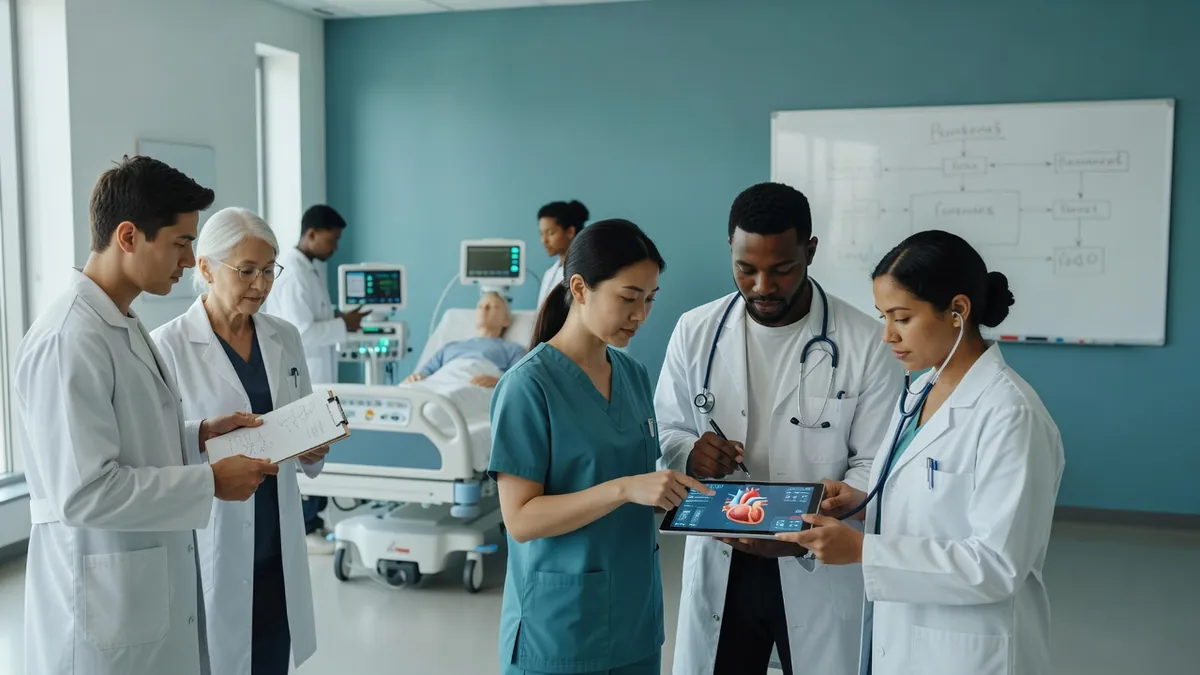
Digital Tools Reshaping Physician Training
Technology is revolutionizing medical education. From online learning platforms to virtual reality simulators to AI-powered tutoring systems, digital tools offer new possibilities for how physicians acquire knowledge and skills. Understanding these technologies helps educators and learners leverage them effectively.
While technology cannot replace human interaction and clinical experience, it can enhance both, making medical education more accessible, efficient, and effective.
Online Learning Platforms
Learning management systems and online platforms have become standard in medical education. They provide flexible access to content, enable self-paced learning, and track student progress. Video lectures, interactive modules, and assessment tools deliver content efficiently.
The COVID-19 pandemic accelerated online education adoption, demonstrating both its capabilities and limitations. Hybrid models combining online and in-person learning are likely to persist, leveraging the strengths of each modality.
Educational Technologies in Medicine
- Learning management systems: Content delivery and tracking
- Virtual reality: Immersive procedural training
- Augmented reality: Real-world overlays for learning
- Simulation: Safe practice environments
- Artificial intelligence: Adaptive learning and assessment
- Mobile applications: Point-of-care resources
Virtual and Augmented Reality
Virtual reality creates immersive environments for medical learning. Anatomy education benefits from three-dimensional exploration of the body. Procedural training in VR allows unlimited practice without patient risk. Clinical scenarios can immerse learners in simulated environments.
Augmented reality overlays digital information onto the real world. Applications include guided procedures with anatomical overlays, interactive learning materials, and enhanced visualization of medical imaging.
Simulation Technology
Simulation technology continues to advance. High-fidelity mannequins provide increasingly realistic patient interactions. Haptic feedback devices simulate tissue properties for procedural training. Screen-based simulations present clinical scenarios for decision-making practice.
Integration of simulation with curriculum ensures that technology serves educational goals rather than becoming an end in itself. Debriefing remains essential; simulation without reflection produces limited learning.
Artificial Intelligence in Education
AI is opening new frontiers in medical education. Adaptive learning systems analyze performance to customize content and pacing. Natural language processing enables intelligent tutoring systems that respond to learner questions. Machine learning algorithms can assess clinical skills and provide feedback.
AI-generated clinical cases can provide unlimited practice scenarios. Automated assessment of clinical notes, presentations, and communication is becoming possible. These technologies promise more personalized, efficient education.
"Technology should enhance human teaching, not replace it. The best medical education combines technological capabilities with the irreplaceable value of human mentorship and clinical experience."
Mobile Learning
Smartphones and tablets enable learning anywhere. Medical reference applications provide point-of-care information. Spaced repetition apps optimize knowledge retention. Podcasts and video content make commute time productive.
The challenge is curating quality resources from the overwhelming options available. Medical educators can guide learners toward evidence-based, peer-reviewed mobile resources.
Implementation Challenges
Technology adoption faces barriers. Cost, infrastructure requirements, and training needs limit implementation. Faculty may resist unfamiliar technologies. Students may lack digital literacy skills assumed by educational designers.
Equity concerns arise when technology requirements disadvantage those with limited access or resources. Thoughtful implementation addresses these challenges while leveraging technology's benefits.
Technology-Enhanced Learning
Our platform leverages cutting-edge educational technology to deliver effective, engaging learning experiences.
Experience Our Platform