 Medical Training AI
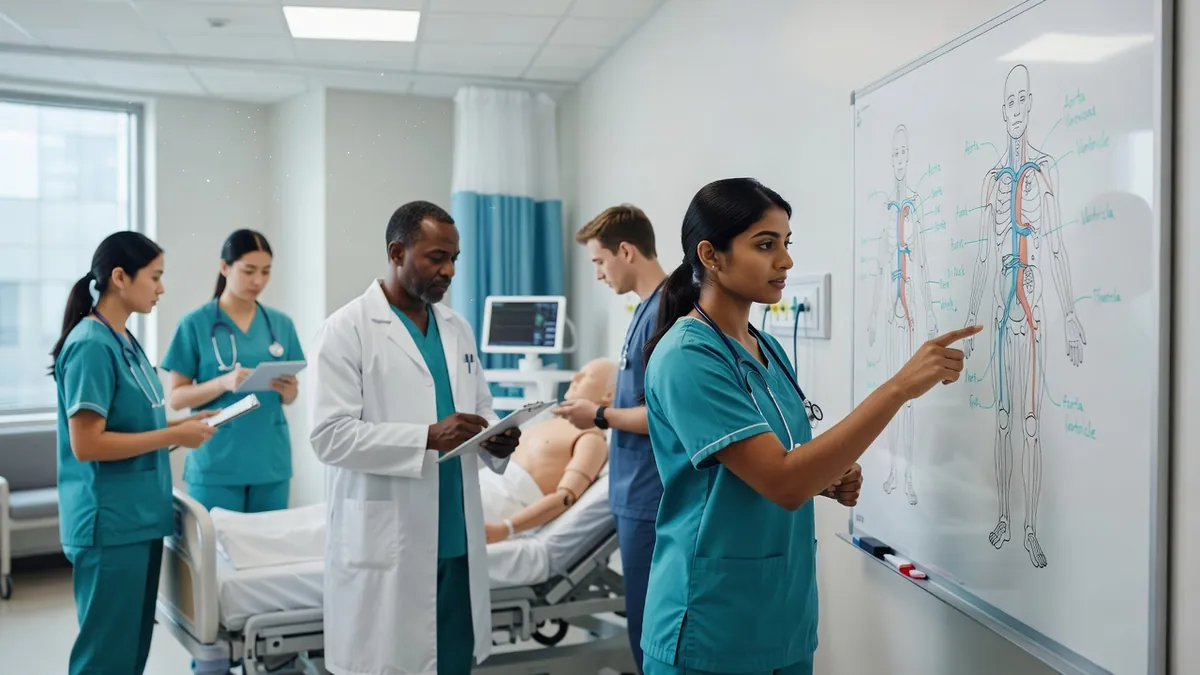
Making the Most of Your Training Years
Residency transforms medical students into physicians. These intense years of supervised practice develop the clinical judgment, procedural skills, and professional identity that define your career. Approaching residency strategically can help you emerge better prepared for independent practice.
While residency curricula are structured, residents who take ownership of their education get more from the experience than those who passively complete requirements.
Set Clear Goals
Begin with the end in mind. What kind of physician do you want to become? What skills do you need for your intended practice? Setting goals helps you prioritize learning opportunities and seek experiences aligned with your aspirations.
Goals should span clinical competence, procedural proficiency, academic achievement, and personal development. Revisit and revise goals regularly as your understanding of your specialty and yourself evolves.
Keys to Residency Success
- Be present and engaged on every rotation
- Seek feedback actively and implement suggestions
- Read around your patients daily
- Volunteer for procedures and challenging cases
- Develop relationships with faculty mentors
- Maintain your health and relationships
Learn from Every Patient
Patients are your greatest teachers. Each encounter offers lessons in pathophysiology, diagnosis, treatment, and the human experience of illness. Approach every patient with curiosity, seeking to understand their unique presentation and what it can teach you.
Read about your patients daily. When you encounter an unfamiliar condition or treatment, look it up. This just-in-time learning sticks better than abstract studying because it connects to real clinical experience.
Seek Feedback Relentlessly
You cannot improve without knowing how you are performing. Ask attendings and senior residents for specific feedback on your clinical reasoning, procedural technique, communication, and professionalism. Request observation of your encounters and debriefing afterward.
Receive feedback graciously, even when it is uncomfortable. Defensiveness discourages future feedback. Thank evaluators and demonstrate implementation of their suggestions.
Master Procedures
Procedural competence requires deliberate practice. Do not wait for procedures to come to you; seek them out. Volunteer for every opportunity. Practice on simulators. Watch videos of expert technique. Mental rehearsal before procedures improves performance.
Track your procedure numbers and outcomes. Identify weaknesses and focus practice on specific elements. Ask for supervision even when you could proceed independently; the feedback improves your technique.
"Residency is the only time in your career when you will have expert supervision while learning. Take full advantage of that safety net while pushing yourself to grow."
Build Your Network
Relationships formed during residency last careers. Cultivate connections with attendings who can become mentors and references. Build collegial relationships with co-residents who will become professional contacts. Network with visiting speakers and at conferences.
Be a good colleague. Help others, share knowledge, and be reliable. Your reputation forms during residency and follows you.
Maintain Well-Being
Residency is demanding, but sustainable excellence requires self-care. Protect sleep when possible. Exercise regularly. Nurture important relationships. Seek help early if struggling with depression, anxiety, or burnout.
Programs increasingly recognize well-being as essential to training. Utilize available resources and advocate for program improvement if wellness support is lacking.
Plan for What Comes Next
Residency passes quickly. Start planning your post-residency career early. If considering fellowship, research options and prepare applications. If entering practice, understand job markets and begin networking. Faculty career paths require different preparation than private practice.
Support Your Training Journey
Our resources complement residency training with focused content that deepens specialty knowledge and skills.
Explore Resources