 Medical Training AI
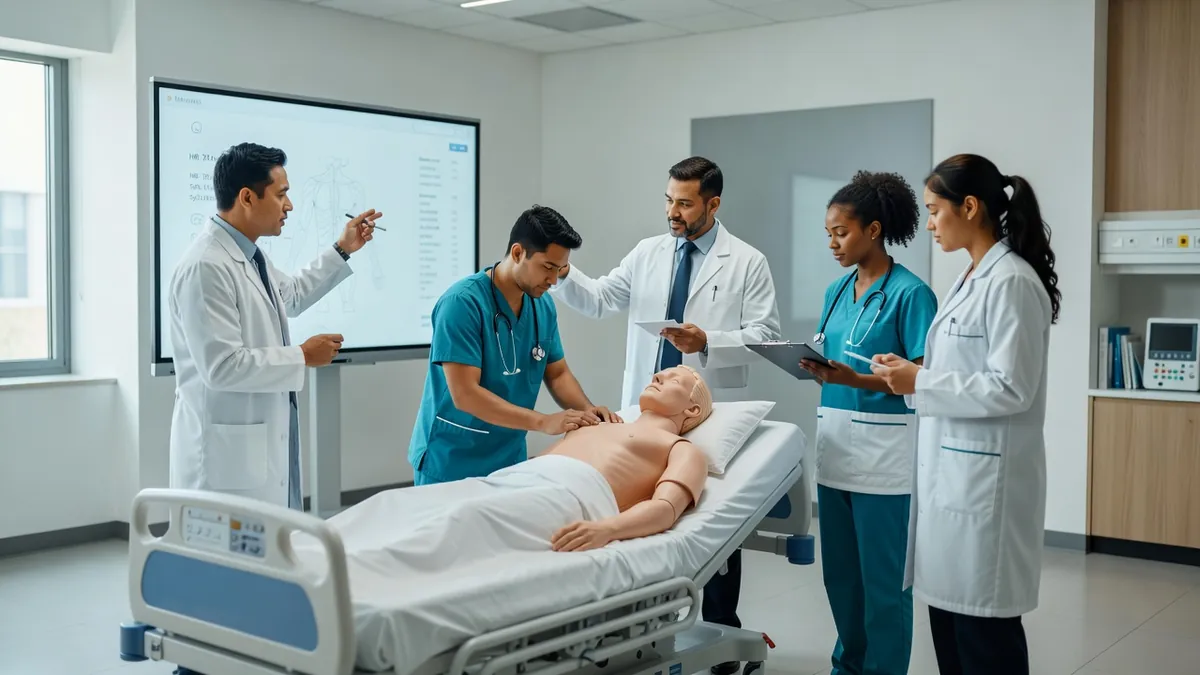
Pursuing Advanced Specialty Training
Fellowship training represents the final stage of formal medical education for those seeking subspecialty expertise. These focused years of training develop the advanced knowledge, specialized skills, and professional network needed to practice at the highest level of a chosen subspecialty.
Choosing the right fellowship and approaching training strategically positions you for success in increasingly competitive subspecialty fields.
Deciding to Pursue Fellowship
Fellowship is not for everyone. The decision to subspecialize involves weighing additional years of training against career benefits. Consider whether your interests truly align with subspecialty practice, whether the job market supports subspecialists, and whether you are willing to commit the time.
Shadow subspecialists, speak with recent fellows, and research practice patterns before committing. Fellowship should be a deliberate choice, not a default continuation of training.
Questions to Consider Before Fellowship
- Does the subspecialty genuinely interest me?
- What is the job market for this subspecialty?
- Am I prepared for additional years of training?
- Will fellowship lead to the career I envision?
- How will fellowship affect my personal life?
Selecting a Fellowship Program
Fellowship programs vary enormously in focus, training quality, and culture. Research programs thoroughly before applying. Consider clinical volume and case mix, research opportunities, faculty reputation, graduate career outcomes, and program culture.
Visit programs when possible. The best program on paper may not be the best fit for you. Interview with a critical eye, asking current fellows candid questions about their experience.
Building Subspecialty Expertise
Fellowship is the time to develop true expertise. Seek exposure to the full breadth of your subspecialty while developing depth in areas of particular interest. Take on complex cases that stretch your abilities. Read voraciously in your field.
Technical skills that define many subspecialties require intense practice. Track your procedure numbers, analyze your outcomes, and seek feedback to refine technique continuously.
Research and Scholarship
Many fellowship programs emphasize research training. Even if you plan primarily clinical practice, research experience develops critical thinking and familiarity with the evidence base. Published work enhances your reputation and competitiveness.
Choose projects strategically. Align research with your clinical interests and career goals. Seek mentorship from productive researchers. Protect dedicated research time from clinical encroachment.
"Fellowship is when you transition from learning the field to contributing to it. By the end, you should have something unique to offer the specialty."
Developing Your Niche
Successful subspecialists often develop specific niches within their fields. Consider what particular expertise or focus you want to be known for. This might be a specific condition, technique, patient population, or approach.
Your niche differentiates you in the job market and defines your professional identity. Start developing it during fellowship through focused clinical experience, research, and networking.
Career Planning During Fellowship
Fellowship is shorter than it seems. Begin career planning early. Decide between academic and private practice paths, understand compensation structures, and start networking with potential employers or partners.
For academic careers, build your CV with publications, presentations, and teaching. For private practice, understand business aspects of subspecialty practice. Both paths benefit from mentorship by successful physicians who have navigated similar transitions.
Transition to Practice
The transition from fellow to attending is significant. You move from supervised trainee to independent specialist, from learning to teaching. Prepare for this transition by gradually assuming more independence, learning practice management, and developing relationships that will support you as a new attending.
Subspecialty Excellence
Our advanced training programs support subspecialty development with cutting-edge content and expert instruction.
Explore Advanced Training