 Medical Training AI
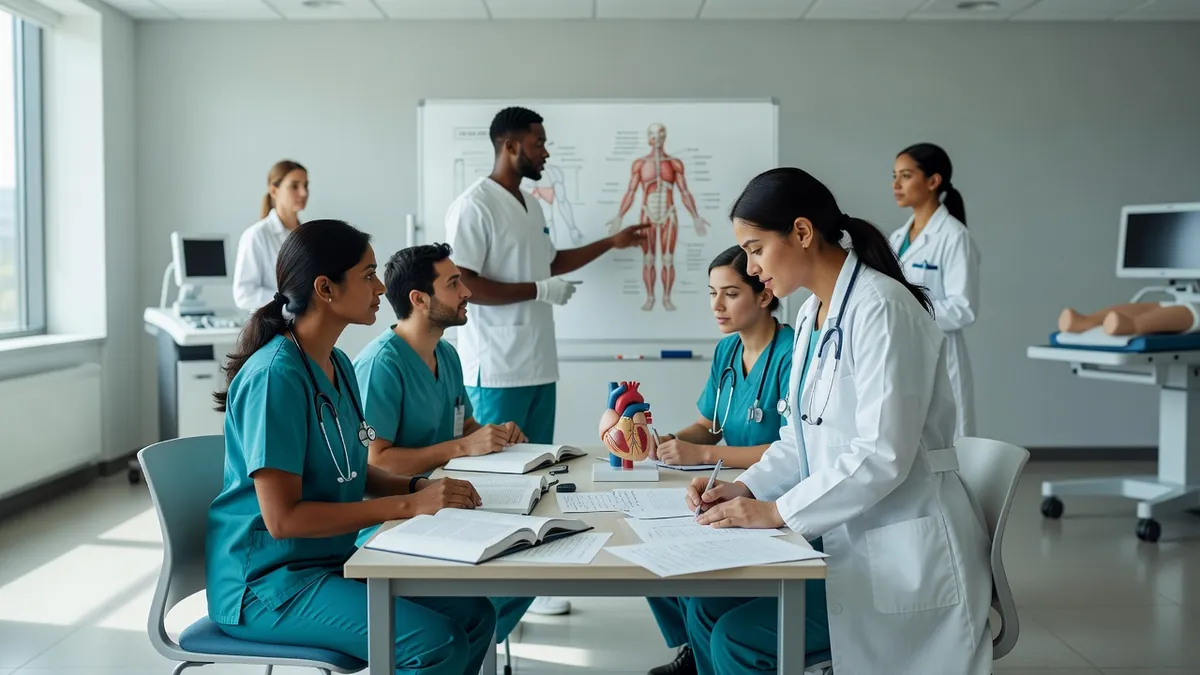
Preparing for Collaborative Practice
Modern healthcare requires seamless collaboration among diverse professionals. Physicians, nurses, pharmacists, therapists, social workers, and others must work together effectively to provide optimal patient care. Interprofessional education brings learners from different health professions together to develop the competencies needed for collaborative practice.
By learning with, from, and about each other, future health professionals develop mutual respect, communication skills, and team-based approaches that translate directly to improved patient care.
Why Train Together?
Healthcare delivery has become increasingly complex. Patients with multiple chronic conditions receive care from numerous specialists and generalists. Care transitions between settings create opportunities for error. Communication failures contribute to adverse events.
Professionals who trained in isolation may struggle to collaborate effectively. They may hold stereotypes about other professions, lack understanding of others' roles and contributions, or default to hierarchical communication patterns that impede teamwork. Interprofessional education addresses these gaps before habits solidify.
Interprofessional Competencies
- Values and ethics: Respecting contributions of all team members
- Roles and responsibilities: Understanding scope of different professions
- Communication: Sharing information effectively across disciplines
- Teams and teamwork: Functioning effectively in collaborative care
Models of Interprofessional Education
Interprofessional education takes many forms. Shared courses bring students from multiple programs together for common content such as ethics, communication, or patient safety. Simulation exercises create team-based scenarios requiring collaborative problem-solving.
Clinical experiences can be structured to emphasize interprofessional collaboration, with students from different professions working together on patient care teams. Community projects address population health needs through coordinated professional contributions.
Breaking Down Silos
One of the most valuable aspects of interprofessional education is challenging professional stereotypes. Medical students may discover that nurses have insights they lack. Pharmacy students may learn that physicians face constraints they had not appreciated. These discoveries foster respect and humility.
Learning each other's languages and frameworks improves future communication. Understanding how different professionals approach problems enables more effective collaboration in clinical practice.
Team-Based Competencies
Effective healthcare teams require specific competencies beyond individual professional skills. Team leadership and membership, conflict resolution, shared decision-making, and situation awareness all contribute to team performance.
Interprofessional education provides opportunities to practice these competencies in safe learning environments. Team training methods from other high-reliability industries, such as aviation, have been adapted for healthcare with promising results.
"If you want healthcare professionals to collaborate in practice, you must give them opportunities to learn collaboration during training."
Implementation Challenges
Interprofessional education faces significant implementation barriers. Different programs have different schedules, making joint sessions difficult. Professional accreditation requirements may limit curricular flexibility. Faculty may lack experience with interprofessional teaching methods.
Space, funding, and administrative support present practical challenges. Assessment of interprofessional competencies requires new instruments and approaches. Sustaining interprofessional programs requires ongoing commitment from multiple departments and institutions.
Evidence for Effectiveness
Research supports interprofessional education effectiveness, though demonstrating impact on patient outcomes is challenging. Studies show improved attitudes toward collaboration, enhanced communication skills, and better understanding of professional roles.
In clinical settings, team training interventions have been associated with improved patient safety outcomes, reduced medical errors, and better team performance during emergencies. The investment in interprofessional education appears to yield meaningful returns.
Train for Team-Based Care
Our programs emphasize collaborative skills that prepare you to work effectively with all members of the healthcare team.
Explore Team Training