 Medical Training AI
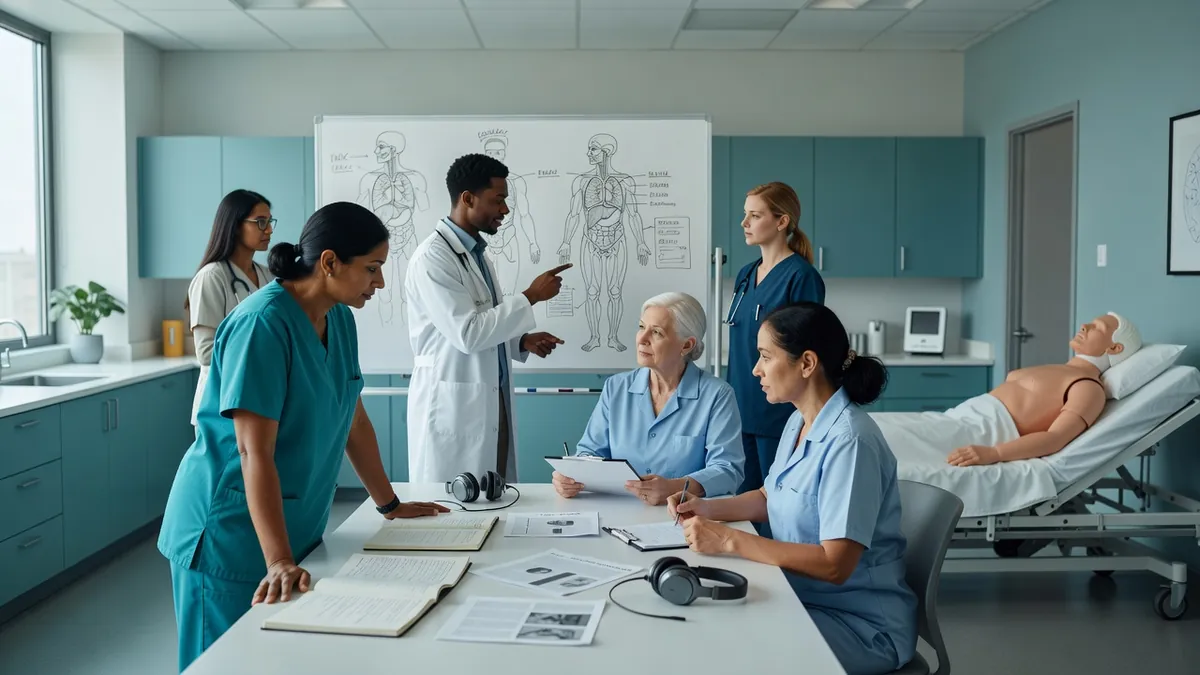
Audio Learning for Busy Clinicians
Medical podcasts have proliferated dramatically, offering education for commutes, exercise, and any moment when reading is impractical. From clinical updates to medical humanities to educational theory, podcasts cover every aspect of medicine in accessible, engaging formats.
Understanding how to use podcasts effectively maximizes their educational value while avoiding the temptation to substitute passive listening for deeper study.
Why Podcasts Work
Podcasts transform unproductive time into learning opportunities. The average physician spends substantial time commuting, exercising, and doing tasks that occupy hands but not ears. Podcasts capture this time for education.
The conversational format makes complex topics approachable. Hearing experts discuss cases and concepts provides perspectives different from textbooks. The regular release schedule builds learning habits.
Categories of Medical Podcasts
- Clinical: Specialty-specific clinical education
- General medicine: Broad internal medicine topics
- Emergency: Acute care and emergency medicine
- Medical education: Teaching and learning in medicine
- Medical humanities: Ethics, history, narrative
- Professional development: Career and wellness topics
Learning Strategies for Podcasts
Passive listening produces limited retention. Active engagement improves learning even with audio content. Preview episode descriptions to prime your mind for content. Consider what you already know about the topic before listening.
Take notes when possible, even brief voice memos about key points. Discuss episodes with colleagues. Implement clinical pearls in practice. These active strategies transform passive consumption into genuine learning.
Selecting Quality Podcasts
Podcast quality varies enormously. Seek shows from reputable sources: academic medical centers, professional societies, and established medical educators. Check whether content undergoes editorial review. Consider the credentials and expertise of hosts and guests.
Production quality matters for sustained listening. Clear audio, good pacing, and engaging presentation make content more accessible and enjoyable.
Integrating Podcasts with Other Learning
Podcasts work best as part of a comprehensive learning strategy, not as standalone education. Use podcasts to introduce topics, then follow up with deeper reading. Use them to reinforce concepts learned through other methods. Let clinical questions guide podcast selection.
Some learners use podcasts for broad exposure while reserving reading for detailed study. Others reverse this pattern. Find what works for your learning style.
"A good medical podcast is like a great clinical discussion: informative, engaging, and memorable. It captures the way experienced clinicians actually think and talk about medicine."
Creating Medical Podcasts
Some medical educators create podcasts to reach wider audiences. Successful medical podcasts require both content expertise and production skills. Clear learning objectives, engaging presentation, and consistent quality distinguish educational podcasts from casual conversation.
Institutional support, including production assistance, continuing education accreditation, and promotion, helps podcasts reach their potential audience and achieve educational impact.
The Future of Audio Learning
Podcast technology continues to evolve. Enhanced podcasts include images, show notes, and interactive elements. Integration with learning management systems enables tracking and assessment. AI-powered recommendations personalize content discovery.
As on-demand audio content proliferates, curation becomes increasingly valuable. Trusted recommendations help learners find high-quality content efficiently.
Diverse Learning Formats
Our platform offers multiple learning formats to fit your lifestyle, including content optimized for on-the-go learning.
Explore Learning Options